-
-
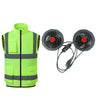
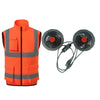
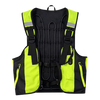
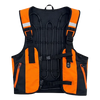
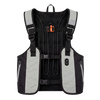
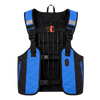
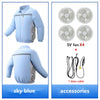
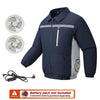
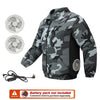
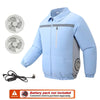
Firoth Reflective Dual Cooling Vest with Ice Packs Smart Water Circulation Air-CooledRegular price £84.00
MORE TO EXPLORE
Buy a cooling jacket together
Cooling Vests for Men & Women: Fan, Ice & Evaporative
Working in extreme heat—whether on a job site, during intense physical activity, or simply navigating a brutal summer—takes a toll on your body and mind. Heat exhaustion slows your thinking, drains your energy reserves, and creates real health risks. A cooling vest offers a direct solution by actively pulling heat away from your core, allowing you to stay focused, energized, and safe when temperatures climb.
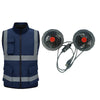
Firoth cooling vests use advanced cooling technologies engineered for real-world conditions. Our battery-powered models feature built-in fans that circulate air through a lightweight, breathable open-cell mesh design—eliminating the bulky, restrictive feel of traditional cooling gear. The result is genuine comfort that works whether you're managing a full workday in the field, pushing through an intense training session, or simply trying to function during peak summer heat. Adjustable fan speeds let you dial in the cooling power you need, while the rechargeable battery system keeps you mobile and independent. Stay cool, stay sharp, stay safe.
Cooling Fan Vests for Summer
When heat becomes unbearable, a cooling fan vest transforms your comfort. Built with workwear-grade polyester, Firoth cooling vests resist wear, shed water, breathe freely, and dry fast—standing up to sweat, scratches, and light rain without the stuffiness or deterioration of cheaper alternatives. You get durability that lasts through long, demanding days.
How a Cooling Fan Vest Works
At its core, a wearable cooling vest houses compact built-in fans that draw air and push it across your body in steady circulation. As that airflow moves over your skin, evaporation accelerates and heat dissipates—the same refreshing sensation a breeze creates on a hot day, except your personal cooling system travels with you. No melting ice packs. No dead batteries after an hour. Just continuous relief throughout your day.
Rechargeable Power and Speed Control
Multiple fan speeds let you dial in exactly what you need. On mild days, run a gentle breeze. When temperatures spike, push to maximum airflow. A rechargeable battery powers the fans for hours per charge, keeping you cool from morning through evening without interruption or downtime.
Engineered for Comfort and Practicality
Firoth cooling vests feature a specialized open-cell mesh design that lifts the fabric away from your skin, eliminating the baggy, ballooned appearance that plagues budget fan vests. The slim profile fits comfortably under or over regular clothing, making it ideal for job sites, warehouses, gardens, outdoor events, and any environment where heat is relentless. Work hard, stay cool, stay comfortable.
Ice & Evaporative Cooling Vests
Every cooling vest type manages heat differently, and the right choice depends on how long you need to stay cool, how much weight you can carry, and whether you have access to a freezer or power source. Understanding the strengths of each technology helps you pick the vest that matches your lifestyle and climate.
Evaporative Cooling Vests
Evaporative vests work through the natural cooling power of water evaporation. Simply soak the vest in water, wring out the excess, and wear it as the moisture evaporates against your skin. This method is ideal if you live in a dry, well-ventilated environment where air circulation speeds evaporation. The appeal is clear: evaporative vests are lightweight, affordable, and require no electricity or freezer prep. They're perfect for outdoor work, sports, or casual wear in hot, arid climates. The tradeoff is that they lose effectiveness in humid conditions where evaporation slows.
Ice and Phase Change Vests
Ice vests deliver immediate, intense cooling using frozen gel packs or ice packs inserted into pockets. If you need maximum cold for short bursts—think athletic recovery, heat stress management, or high-intensity work—ice vests are your strongest option. Phase change vests offer a middle ground: they use specialized gel that maintains a constant 58-degree temperature, never feeling uncomfortably cold against bare skin. Both types use swappable packs, so keeping a second set frozen in your freezer means you can swap them out and double your cooling window. This flexibility makes ice and phase change systems reliable for planned activities or recurring heat exposure.
Circulatory Cooling Systems
Circulatory vests represent the premium option: they pump chilled water through thin tubing embedded in the vest, delivering continuous, adjustable cooling for as long as the power source lasts. Racers, industrial crews working in extreme heat, and people managing heat-sensitive medical conditions rely on these systems for precision temperature control and extended wear. The tradeoff is weight, cost, and the need for a battery or plug-in power supply.
Finding the Right Fit
A cooling vest should sit close to your core without restricting breathing or movement. Whether you're built for a men's or women's cut, the best vest is one that stays in place during activity and doesn't add bulk under your clothing. Browse cooling vests designed for your frame to ensure comfort and performance.
FREQUENTLY ASKED QUESTIONS
What is a cooling vest?
A cooling vest is a wearable garment engineered to regulate core body temperature and mitigate heat stress. These vests employ advanced technologies—evaporation, ice packs, and phase change materials—to cool the body through conduction and convection, making them ideal for athletes, outdoor enthusiasts, and anyone working in demanding thermal conditions.
Types of Cooling Vests
Fan-Powered Cooling Vests feature small battery-driven fans integrated into the sides of a sleeveless design. These fans force air across your skin, enhancing your body's natural evaporative cooling process. A single charge delivers 4 to 8 hours of on-demand cooling, operates seamlessly during movement, and requires no freezer prep, soaking, or refills—offering the most convenient option for active use.
Evaporative Cooling Vests are submerged in water for 3 to 5 minutes, then lightly wrung out. Worn over clothing, they work as water interacts with specially treated cooling crystals or agents, causing evaporation that lowers body temperature. These vests are lightweight, require no electricity, and represent the most budget-friendly choice for those seeking portable cooling solutions.
Ice-Chilled Cooling Vests use frozen cooling packs placed in interior pockets to deliver intense, sustained cold. Due to their extreme temperature, they're always worn outside clothing and are particularly effective for short-duration cooling needs or recovery applications.
Phase-Change Material (PCM) Cooling Vests contain specially engineered packs of solid material that absorb significant latent heat as they transition from solid to liquid (melting). This technology provides steady, predictable cooling over extended periods without active power.
Cool-Flow Cooling Vests utilize a circulating water system with tubes that pump temperature-controlled water throughout the vest, offering precise thermal management ideal for professional or clinical settings.
What is a phase change material (PCM) and is it safe?
Phase change material (PCM) in cooling vests is engineered to absorb and release body heat at precise temperatures. These formulations are typically non-toxic, food-safe compounds—most commonly food-grade paraffin wax or salt hydrate blends—that transition from solid to liquid at temperatures between 58–65°F (14–18°C), well below normal skin temperature. This temperature differential is what allows the PCM to pull heat away from your body effectively.
The PCM itself is always sealed within flexible, durable packs, so direct skin contact never occurs during normal use. This encapsulation is a key safety feature of the design. In the unlikely event a pack sustains damage and leaks, the material poses no toxicity risk or skin irritation concerns for most users—though a damaged pack should be replaced promptly to maintain cooling performance.
One of the practical advantages of modular PCM packs is replaceability. Rather than replacing an entire cooling vest when packs degrade over time, you can purchase replacement inserts separately, extending the life and value of your vest. This approach also allows you to upgrade or refresh cooling capacity without investing in a new garment.
How do cooling vests work to keep the body cool?
Cooling vests work through three primary mechanisms, each offering distinct advantages depending on your activity and environment.
Fan-Powered Cooling Vests: These innovative garments feature small battery-operated fans embedded within the fabric that actively circulate air across your skin. By forcing airflow directly through the vest, they dramatically accelerate sweat evaporation and create continuous heat dissipation, making them ideal for intense workouts, outdoor activities, or hot environments where passive cooling isn't enough.
Evaporative cooling is the most passive approach. These vests use moisture-absorbing fabrics that, when wetted, draw heat away from your skin as the water evaporates. This method is lightweight, requires minimal maintenance, and works best in dry climates where evaporation rates are high. The cooling effect is gradual but sustainable for extended periods.
Ice pack vests deliver rapid, localized cooling by inserting frozen gel packs into designated pockets against your torso and core areas. The cold makes direct contact with your skin, providing immediate relief during intense activities or in extreme heat. These are ideal for short bursts of cooling but require regular freezing and the packs eventually warm up.
Circulatory cooling systems represent the most advanced option. Water-based vests pump temperature-controlled liquid through internal channels, maintaining consistent cooling for extended durations. These systems offer precision control and are often used in professional or medical settings, though they're bulkier and require a power source or cooling unit.
Your choice depends on your primary use case—whether you need portable, immediate cooling for workouts; sustained relief during outdoor work; or clinical-grade temperature management. Consider factors like activity duration, climate conditions, maintenance requirements, and whether you prioritize portability or maximum cooling power.
What is the difference between a phase change cooling vest and an evaporative cooling vest ?
Cooling vests fall into two main categories, each with distinct mechanics and ideal use cases.
Phase change cooling vests rely on removable packs containing a non-toxic PCM (phase change material) that must be chilled or frozen before use. As you wear the vest, the PCM absorbs your body heat and melts, releasing energy that keeps the material at a stable temperature—typically between 58–65°F (14–18°C)—for roughly 2–4 hours. The key advantage is reliability: phase change vests deliver consistent cooling regardless of humidity levels, making them the gold standard for hot, humid conditions where moisture in the air would otherwise compromise other cooling methods. The downside is logistical: you'll need access to a cooler, freezer, or refrigeration unit on-site to recharge the packs between uses.
Evaporative cooling vests work through a simpler mechanism. You soak the vest in water for 1–2 minutes, and the inner fabric absorbs and gradually releases moisture through evaporation during wear. This process can sustain cooling for 5–10 hours per activation. These vests are lightweight, require no refrigeration, and can be recharged wherever water is available—a major convenience factor. However, performance depends on environmental conditions: they work best in dry or moderate-humidity climates. In high-humidity environments, evaporation slows significantly, and cooling effectiveness drops accordingly.
Choose phase change if you need predictable performance in humid heat and have refrigeration access. Choose evaporative if you prioritize portability, longer cooling windows per activation, and operate in drier conditions.
What are the benefits of using a cooling vest for adults?
Cooling vests for adults are designed to help regulate body temperature during hot weather or intense physical activity. They enhance comfort and performance by preventing overheating, making them especially beneficial for outdoor workers, athletes, and anyone engaging in strenuous activities. Additionally, these vests promote better focus and endurance by helping the body maintain a more stable temperature.
Are cooling vests suitable for all outdoor activities?
Yes, cooling vests work well across most outdoor pursuits, from competitive sports and backcountry hiking to construction and landscaping. They excel in high-heat conditions where your body temperature can climb rapidly, offering a practical safeguard against heat exhaustion and related concerns. The key is matching the vest's design—whether evaporative, gel-based, or circulation-based—to your specific activity's intensity, duration, and environment for the best results.
What materials are commonly used in cooling vests?
Cooling vests are typically constructed from high-performance, breathable textiles engineered for optimal airflow and moisture control. To maximize thermal regulation, many incorporate sophisticated mechanisms such as phase change materials (PCMs) or evaporative cooling systems. Consequently, material quality directly dictates the vest's ergonomic comfort, longevity, and overall thermal efficiency.
Can cooling vests be used in combination with other cooling methods?
Yes. Cooling vests work best as part of a layered approach to thermal management. When paired with proper hydration—drinking water consistently throughout your activity—and complementary tools like cooling towels or ice bandanas, you create a more robust defense against heat stress. The vest handles core temperature regulation while hydration supports your body's natural cooling systems and towels offer targeted relief. For outdoor sports, labor-intensive work, or extended heat exposure, this combination delivers noticeably better comfort and performance than any single method alone. The key is matching your cooling strategy to the intensity and duration of your activity, then adjusting as needed based on how your body responds.
How does a cooling vest help prevent heat illness at work?
Heat-related illness—heat exhaustion and heat stroke—develops when the body cannot shed heat fast enough to match environmental demands and physical exertion. A cooling vest addresses this by drawing heat directly from the torso, where major blood vessels sit close to the skin surface. By cooling blood as it circulates through the core, the vest reduces overall strain on the cardiovascular system and helps workers sustain safer internal temperatures throughout extended shifts in hot conditions. This lowers the risk of acute heat illness and the subtle but significant performance losses—diminished focus, slower reflexes, reduced endurance—that occur even before heat illness becomes clinically apparent. Cooling vests work best as one element within a complete heat management strategy that encompasses adequate hydration, regular rest intervals, worker acclimatization, and continuous environmental monitoring. They enhance other protective measures but cannot replace them.